The real UX lessons
from Homer Simpson’s Mistake
The real UX lessons
from Homer Simpson’s Mistake
How Homer Simpson Made UX Concepts Stick: A Usability Testing Workshop Story at Tel Aviv University Overview
How Homer Simpson Made UX Concepts Stick: A Usability Testing Workshop Story at Tel Aviv University Overview
Presentation Workshop
Presentation Workshop
Public Speaking
Public Speaking
Story background
This great example is part of my UX presentation and usability testing workshop, I'm running for Tel Aviv University.
The need of using this example came from my goal to let them understand UX essence deeper, even if I have only one hour to teach them about UX.
So, how Homer Simpson became one of my top UX examples?
It all started in the classic (and genius) episode “Oh Brother, Where Art Thou?” originally aired on February 21, 1991.
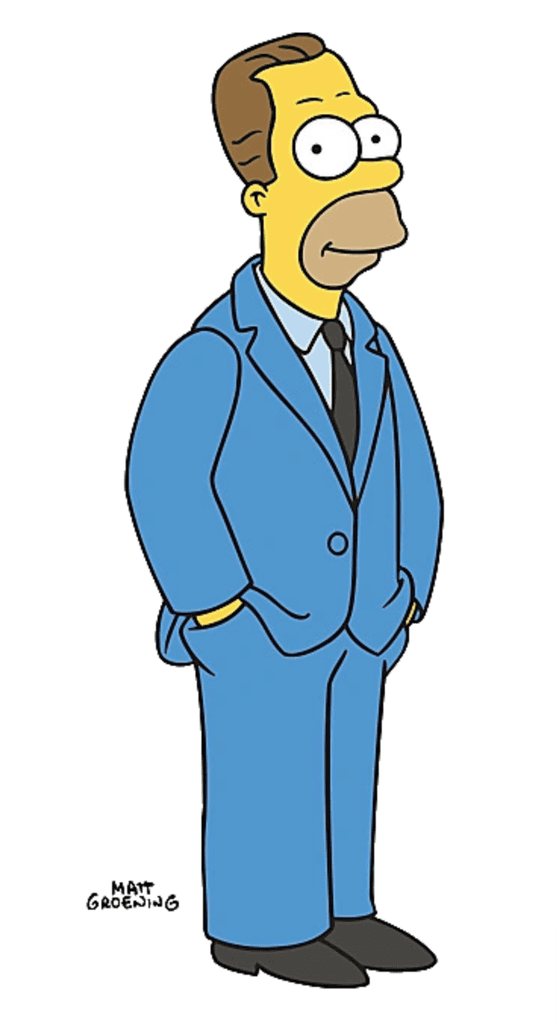
In the episode, Homer discovered a half-brother, a successful car manufacturer, named Herbert Powell.
Herbert asks Homer to design a car for “every man”, excited from the rare opportunity, Homer starts to design his dream car.
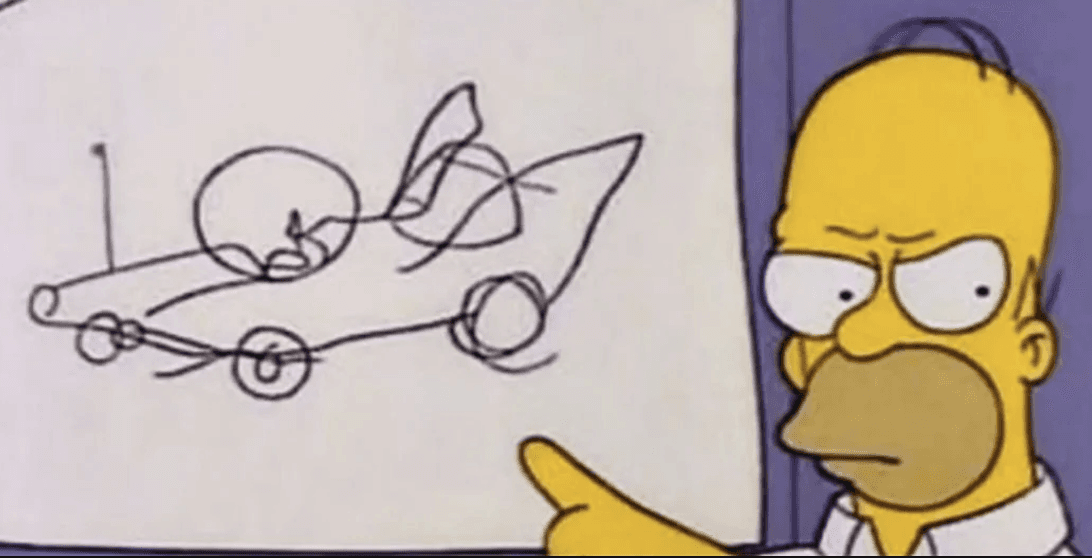
He pours all his personal wishes into the project:
A separate bubble for noisy kids
Multiple horns
Oversized cup holders
And even a wild engine sound
** This is the first drawing he created to explain his concept to Herb.
The result?
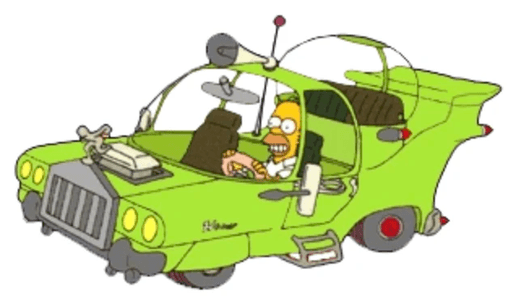
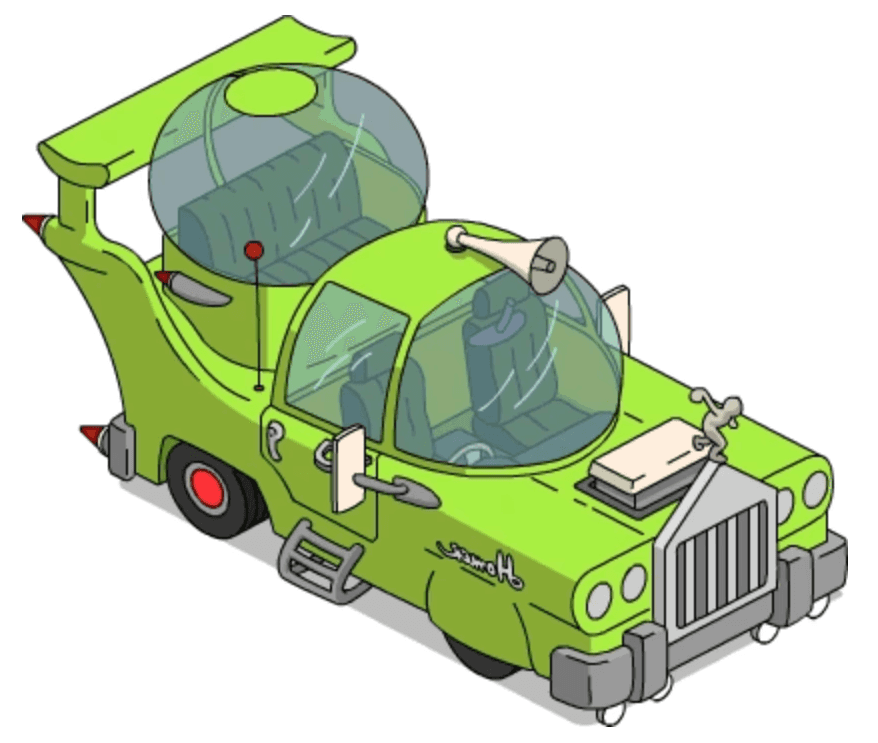
An $82,000 neon-green monstrosity that bankrupts the company, because it was designed for one user (Homer), not for real-world customers.
What can you learn from it?
User-Centered ≠ User-Designed
Homer’s story shows what happens when you take user requests at face value without deeper analysis. True UX isn’t about building exactly what users say they want, but about understanding their real needs and behaviors
Balance Is Everything
Designers must listen to users, but also filter and translate their feedback into practical, scalable solutions. The best products come from collaboration between user insights, business goals, and design expertise, and not from letting any one voice dominate
Dig Deeper
Sometimes, a user’s suggestion (like Homer’s oversized cup holders) reveals a genuine need that’s worth addressing. The trick is to ask “why?” and uncover the underlying problem before jumping to solutions
Why I Love Using Homer as an Example
Well, it's Homer Simpson :), he’s relatable, memorable, and ridiculous, making the lesson stick. The story leads the conversation to the right way to involve users in design, while reminding us to stay humble and curious.
If you’re ever building something new, whether it’s a car, an app, or a service, remember Homer.
Listen to your users.
Make sure you know, what is the problem you are solving.
Bring your own expertise and empathy to the table.
Make sure to evaluate the cost of each feature you add and consider its potential return on investment.
Fun Fact or maybe "Fan" Fact :)

There are few "users" out there that have built a replica of "The Homer" car.

Dr. Dror Dotan
Tel Aviv University
" Eila brings clarity to complex challenges, focusing on people and processes. With deep listening, openness, and professionalism, she ensures collaboration is insightful, focused, and consistently impactful for any project. "
Read More
© PinkDog. 2025
© PinkDog. 2025
Story background
This great example is part of my UX presentation and usability testing workshop, I'm running for Tel Aviv University.
The need of using this example came from my goal to let them understand UX essence dipper, even if I have only one hour to teach them about UX.
So, how Homer Simpson became one of my top UX example?
It all started in the classic (and genius) episode “Oh Brother, Where Art Thou?” originally aired on February 21, 1991.
In the episode, Homer discovered a half-brother named Herbert Powell, a successful car manufacturer, named Herbert Powell.
Herbert asks Homer to design a car for “every man”, excited from the rare opportunity, Homer starts to design his dream car.
He pours all his personal wishes into the project:
A separate bubble for noisy kids
Multiple horns
Oversized cup holders
And even a wild engine sound
** This is the first drawing he created to explain his concept to Herb.
The result?
An $82,000 neon-green monstrosity that bankrupts the company, because it was designed for one user (Homer), not for real-world customers.
What can you learn from it?
User-Centered ≠ User-Designed
Homer’s story shows what happens when you take user requests at face value without deeper analysis. True UX isn’t about building exactly what users say they want, but about understanding their real needs and behaviors
Balance Is Everything
Designers must listen to users, but also filter and translate their feedback into practical, scalable solutions. The best products come from collaboration between user insights, business goals, and design expertise, and not from letting any one voice dominate
Dig Deeper
Sometimes, a user’s suggestion (like Homer’s oversized cup holders) reveals a genuine need that’s worth addressing. The trick is to ask “why?” and uncover the underlying problem before jumping to solutions
Why I Love Using Homer as an Example
Well, it's Homer Simpson :), he’s relatable, memorable, and ridiculous, making the lesson stick. The story leads the conversation to the right way to involve users in design, while reminding us to stay humble and curious.
If you’re ever building something new, whether it’s a car, an app, or a service, remember Homer.
Listen to your users
Make sure you know, what is the problem you are solving.
Bring your own expertise and empathy to the table.
Make sure to evaluate the cost of each feature you add and consider its potential return on investment.
Fun Fact or maybe
"Fan" Fact :)
There are few "users" out there that have built a replica of "The Homer" car.
Dr. Dror Dotan
Tel Aviv University
" Eila brings clarity to complex projects with deep people-centered insight, strong listening skills, and professional, open collaboration that consistently delivers meaningful, focused results. "
Read More
Dr. Dror Dotan
Tel Aviv University
" Eila brings clarity to complex projects with deep people-centered insight, strong listening skills, and professional, open collaboration that consistently delivers meaningful, focused results. "
Read More